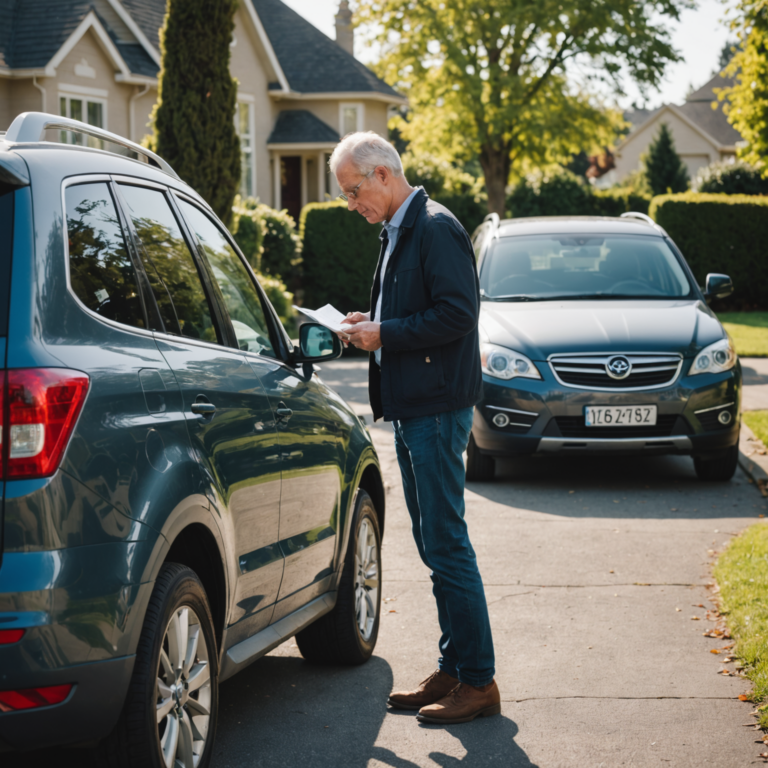
Your auto insurance agent isn’t lying to you. They’re just not telling you the whole truth.
Did you know that the average American household spends over $2,300 a year on auto insurance, and according to industry data, most drivers are leaving between $400 and $900 on the table in unclaimed discounts. Not because they don’t qualify. Because nobody told them to ask.
Insurance agents earn commissions on premiums. Lower premiums mean lower commissions. So while no reputable agent will deny you a discount you specifically request, very few are going to hand you a checklist and say, “Let’s see how much we can reduce your bill today.”
Here’s that checklist.
1. The “Low Mileage” Discount You’re Probably Already Eligible For
If you drive less than 10,000 miles a year — and after the rise of remote work, millions of Americans now do — you likely qualify for a low-mileage discount worth 5% to 15% off your premium.
Here’s the catch: most insurers set your mileage estimate when you first sign up. If you started your policy while commuting 45 minutes each way to an office, that estimate is probably still baked into your rate. Even if you’ve been working from home for three years.
One phone call to update your annual mileage estimate. That’s it. Some carriers even offer telematics programs that verify low mileage automatically and increase the discount further.
2. The Bundling Discount That Goes Beyond Home + Auto
Most people know that bundling home and auto insurance saves money. What fewer realize is how deep bundling discounts actually go — and how many things count.
Renters insurance. Umbrella policies. Even life insurance through the same carrier. Each additional policy can stack another 5% to 25% onto your discount. Some carriers offer a multi-policy discount just for having two vehicles on the same plan.
Here’s what really surprises people: a basic renters insurance policy costs as little as $15 a month. But adding it to your auto policy can save you $30 or more on your car insurance alone. You actually come out ahead by buying more insurance.
Your agent knows this math. They just aren’t walking you through it.
3. The Paid-in-Full Discount Hiding in Plain Sight
Insurance companies charge you more for the privilege of paying monthly. They call them “installment fees” or “service charges,” but the reality is simpler: paying your premium in full — every six months or annually — typically saves 5% to 10%.
On a $2,000 annual premium, that’s up to $200 back in your pocket for doing nothing except writing one check instead of twelve. Many carriers also waive processing fees entirely when you pay in full, which adds another $30 to $60 in savings.
If cash flow is tight, consider this: set aside the monthly amount in a savings account, then pay the full premium when it’s due. You’ll earn a little interest and still capture the discount.
4. The Defensive Driving Discount — Even If You Haven’t Had a Ticket in Decades
This one sounds like it’s for new drivers or people trying to erase points from their license. It’s not.
Most major insurers offer a 5% to 15% discount to any driver who completes an approved defensive driving course — regardless of age or driving record. Some states actually mandate that insurers offer this discount. And in many cases, the courses are available online for under $30 and take about four to six hours.
Do the math: spend $30 and a Saturday afternoon, save $150 or more per year for up to three years. That’s potentially $450 in savings from a single afternoon on your couch.
The discount typically lasts three years before you need to retake the course. And here’s the part agents rarely mention — even drivers over 55 often qualify for an additional mature driver discount on top of the course completion discount.
5. The Credit-Based Discount You Might Not Know Exists
In most states, your credit score directly impacts your auto insurance premium. Drivers with excellent credit pay an average of 40% to 60% less than those with poor credit for the exact same coverage.
But here’s what gets overlooked: if your credit has improved since you first took out your policy, your rate probably hasn’t adjusted automatically. Insurers pull your credit when you first apply. After that? Many don’t check again unless you ask them to.
If you’ve paid down debt, removed errors from your credit report, or simply built better credit over time, call your insurer and request a re-evaluation. You might be rated in a completely different tier now — and the savings can be dramatic.
6. The “Good Student” Discount That Extends Further Than You Think
If you have a child on your policy who’s in school — high school or college — a GPA of 3.0 or higher typically earns a discount of 8% to 15%. Most parents with good students know about this one.
What they don’t know: some insurers extend this discount to students up to age 25. And a handful of carriers offer a similar discount to adult learners or anyone enrolled in a degree program, regardless of age.
Also frequently missed — the “student away from home” discount. If your child is at a college more than 100 miles away and doesn’t have a car with them, you can reduce or remove them from your daily coverage. This alone can save hundreds per year, since insuring a young driver is one of the most expensive line items on any family’s policy.
7. The Loyalty Discount You Might Be Getting — But Shouldn’t Rely On
Here’s the most counterintuitive discount on this list: sometimes the best discount is the one you get by leaving.
Insurers offer loyalty discounts of 5% to 10% for long-term customers. But industry analysis consistently shows that drivers who shop their rates every two to three years save significantly more than those who stay put and collect a loyalty discount. The reason is simple — new customer acquisition rates are almost always more competitive than renewal rates.
That loyalty discount might be saving you $100. But switching could save you $400.
The best move is to shop around, get competing quotes, then call your current insurer and ask if they can match or beat them. You’d be surprised how often a “retention offer” suddenly appears that’s far better than your loyalty discount ever was.
What to Do Right Now
Pick up your phone and call your insurance company. Ask specifically about each of these seven discounts. Don’t ask “What discounts do I qualify for?” — that gives them room to cherry-pick. Instead, go down the list one by one and make them respond to each.
The entire call takes about 15 minutes. The average savings, when even three or four of these discounts apply, runs between $400 and $900 per year.
Your agent won’t volunteer this information. But they can’t say no when you ask for it.